
HVAC Maintenance Agreements: A Recurring Revenue Playbook
HVAC maintenance agreements smooth the shoulder seasons and build a sellable business. What to include, how to price them, and how to sell one on every call.
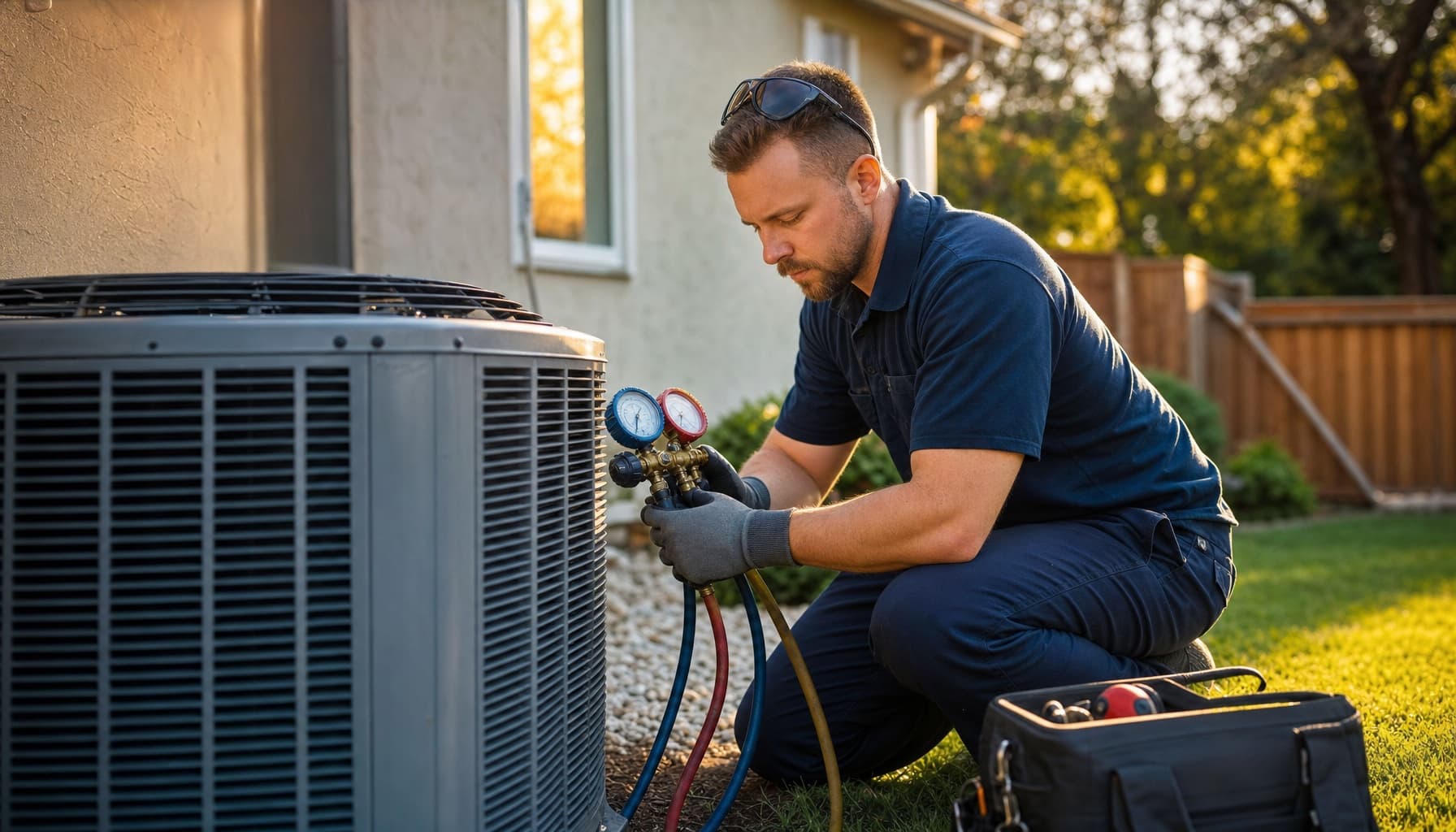
Every HVAC owner knows the rhythm. July and January you cannot answer the phone fast enough. April and October the trucks sit and you sweat payroll. The shops that break that cycle are not the ones with the biggest ad budget. They are the ones with a few hundred maintenance agreements on the books, because those agreements turn the dead months into scheduled, prepaid work.
There is a second reason to care, and it is bigger. A shop that runs entirely on one-off service calls is worth roughly the value of its trucks when the owner wants out. A shop with 400 active maintenance agreements is a business with predictable revenue and a customer list a buyer will actually pay for. If you ever want to sell, or just stop white-knuckling the shoulder seasons, agreements are the play.
Why HVAC Maintenance Agreements Beat One-Off Calls
An agreement customer is not just a customer who paid in advance. They behave differently in every way that matters:
- They call you first. When the system dies in July, the agreement holder is not shopping three shops on Google. They already have a company.
- They fill your slow months. Spring and fall tune-ups are work you schedule on your terms, when the demand calls dry up.
- They generate the best repair leads. A tech with eyes on a system twice a year catches the weak capacitor and the failing blower motor before they become emergency calls, and the customer already trusts the diagnosis.
- They smooth your cash. A monthly agreement is revenue that shows up whether or not the phone rings, which is exactly what a small shop's bank account needs.
The math on retention is what makes this compound. Agreement customers renew year after year, which means every agreement you sell this spring is still paying you in three years while a one-off customer has long since forgotten your name.
What a Good Maintenance Agreement Includes
Keep the agreement simple enough to explain in the driveway in under a minute. The standard package in the trade has three legs:
- Two tune-ups a year. A cooling check in spring, a heating check in fall. This is the core deliverable and the reason the customer feels the plan pays for itself.
- Priority scheduling. When the heat wave hits and the board is full, agreement holders jump the line. This is the benefit customers value most and it costs you nothing but a scheduling rule.
- A repair discount. Usually 10 to 15 percent off repairs. It rewards loyalty and takes the sting out of the repair quote when your tech finds a problem during a tune-up.
Some shops add extras like waived diagnostic fees or filter programs. Fine, but do not let the plan get complicated. A customer who cannot repeat the benefits back to you will not renew.
How to Price a Maintenance Agreement
The pricing logic is the same discipline you use to build a flat-rate price. Cost the two visits honestly, loaded labor plus a filter and truck time, then price the plan so it covers those visits with margin left over. The repair discount is not a loss, because it converts on repairs you would not have found without the tune-up visit.
Two structural decisions matter more than the exact number:
Monthly or annual
Annual billing gets you the cash up front and one renewal conversation a year. Monthly billing, typically a small charge on a stored card, feels painless to the homeowner, renews on autopilot, and produces the steady recurring revenue that makes the whole model work. Most small shops that get serious about agreements land on monthly as the default and offer annual as the alternative, not the other way around.
Per system, not per house
Price per system. A house with two furnaces and two condensers is twice the tune-up work, and a flat per-house price quietly loses money on exactly the customers with the most equipment. State it plainly on the agreement so nobody feels nickeled later.
How to Sell One on Every Service Call
The tune-up visit is not where agreements get sold. The repair call is. The customer just watched your tech fix their problem, they are relieved, and they are already thinking about the next breakdown. That is the moment.
The pitch that works is not a pitch. It is a sentence: "If you'd been on our plan, today's repair would have been 15 percent less and you'd have skipped the wait. Want me to set that up before I go?" No brochure, no pressure, no callback from the office. The tech offers it once, plainly, on every call, and takes the yes on the spot with a card.
An agreement offered in the driveway, right after the fix, closes several times more often than the same offer made by email a week later.
Make it part of the job checklist, not a thing techs do when they remember. If you track one number from your shop metrics, track agreements offered per service call. Shops that offer on every call routinely convert a meaningful slice of their service customers into members within a year.
Where Small Shops Drop the Ball
Selling the agreement is the easy half. The failure mode is almost always operational, and it shows up two ways.
First, the tune-ups do not get scheduled. Spring arrives, 200 members are owed a cooling check, and it is all living in a spreadsheet or the owner's head. Visits slip into summer, when the trucks are slammed, or they quietly never happen. A member who paid for two visits and got one does not renew, and worse, they tell the neighbor the plan is a scam.
Second, renewals leak. Annual agreements lapse because nobody called. Cards expire and monthly billing silently stops. Every lapsed agreement is recurring revenue you already earned the hard way, walking out the door because nobody was watching.
Both problems are pure logistics. Neither requires more selling. They require a system that never forgets.
Put the Agreements on Rails
This is the part software should own outright. In FieldCommerce, every agreement lives on the customer record with its visits, its renewal date, and its stored payment method. When spring comes, the system builds the tune-up wave for you: every member who is owed a cooling check gets queued, scheduled into your slow weeks, and reminded automatically. Fall works the same way. Renewals fire reminders before they lapse, monthly billing runs on the saved card, and a failed charge flags for follow-up instead of silently killing the plan.
That is the difference between 50 agreements you manage from memory and 500 you manage without thinking about it. The selling stays human. The remembering goes to the machine.
If you run an HVAC shop with 1 to 8 trucks and you want agreements to be the thing that finally smooths your year, see how FieldCommerce for HVAC handles the whole loop, or get in touch and we will walk through setting up your first plan.